Kalove
> METHODOLOGY_ARCHIVE // REV-07

Indexing Nutritional Frameworks for Men

A systematic account of how Kalove sources, evaluates, and archives nutritional data — from primary literature review through independent ingredient verification and final composition documentation.

DOCUMENT RECORD
Revision 07-B
Last archived April 2025
Sources indexed 140+
Verification tier Third-party
Population scope Men 30–60
> RESEARCH_PROCESS // FIVE_STAGES

The Documentation Process

01
PRIMARY LITERATURE REVIEW

Published Research Sourcing

All nutritional frameworks begin with a structured scan of peer-reviewed publications. Sources are drawn from indexed journals in sports nutrition, dietetics, and metabolic research — with a focus on studies covering adult male populations aged 30 to 60. PubMed, SPORT Discus, and the Journal of the International Society of Sports Nutrition constitute the primary search repositories for this stage.

Each candidate study is evaluated against a relevance matrix: population specificity, sample size adequacy, recency of data (publications from 2010 onward prioritised), and declared methodology. Studies with industry-funded conflicts of interest are flagged and weighted accordingly within the final framework record.

02
NUTRITIONAL DATA EXTRACTION

Macronutrient and Micronutrient Mapping

Quantitative data — intake ranges, ratio recommendations, timing observations — is extracted into a structured data log. Each data point carries a source citation, population note, and confidence tier (A: replicated across three or more independent studies; B: documented in one to two studies; C: observational only). This tiering system allows end users to interpret the weight of any given nutritional recommendation.

Macronutrient ratios (protein, carbohydrate, fat) and key micronutrients (Vitamin D3, zinc, magnesium, selenium, B12, omega-3 fatty acids) are mapped against activity level bands: sedentary, moderately active, and highly active. These bands correspond to standard physical activity level descriptors used in the dietary reference intake literature.

03
SUPPLIER SOURCING REVIEW

Ingredient Origin and Chain-of-Custody

Where Kalove frameworks reference supplemental ingredients, sourcing documentation is reviewed at the supplier level. Active ingredients are sourced from documented suppliers, with each batch accompanied by a certificate of composition. Sourcing prioritises suppliers whose facilities maintain food-grade processing standards.

Supplier evaluation examines: origin geography, processing environment classification, cold-chain integrity records, and lot traceability from raw material intake through finished composition. A regional sourcing map is maintained in the Kalove archive, updated with each new supplier engagement.

04
INDEPENDENT VERIFICATION

Third-Party Batch Verification

Ingredient profiles in Kalove supplements are selected based on published nutritional research and undergo independent batch verification for quality and labelling accuracy. Verification is carried out by accredited independent laboratory facilities, not by the primary formulation partner. Batch codes are retained in the lot record for a minimum of three years post-production.

The verification scope covers elemental concentration, microbial burden, heavy metal screening, and dissolution profile. Any batch returning an out-of-specification result is held from the archive until a full root-cause investigation is completed and documented.

05
ARCHIVE AND PUBLICATION

Framework Indexing and Revision Control

Completed frameworks are indexed with a revision number, archive date, and scope note. Each framework identifies its primary source cluster, the population it targets, and any noted limitations in the underlying data. Frameworks are reviewed on an annual cycle; significant new publications trigger an out-of-cycle revision.

Revision history is retained in full — prior versions are not deleted, but tagged as superseded. This allows readers to trace how a given nutritional recommendation evolved as the literature base expanded or was updated.

> EDITORIAL_STANDARDS // DOCUMENTED

Documentation Standards

Source Transparency

Every nutritional claim in a Kalove framework carries a source citation. No assertion is presented without at least one indexed reference. Observational data is distinguished from replicated findings in all framework copy.

Independent Testing

Supplemental ingredient profiles undergo third-party verification — not self-assessed quality control. Laboratory batch records are retained and available for internal audit review.

Origin Traceability

Ingredient sourcing is documented at the supplier level, with lot records linking each batch to its origin geography, processing facility classification, and cold-chain handling record.

Revision Control

All frameworks carry a revision number and archive date. Prior versions are retained in the index as superseded entries, not deleted, enabling readers to trace the evolution of any nutritional position over time.

Conflict Disclosure

Industry-funded research is flagged within the source log. The confidence tier system weights replicated independent findings above single-study or industry-sponsored data points.

Population Specificity

Frameworks are scoped to adult men aged 30 to 60. Studies on younger athletes, female populations, or undifferentiated adult samples are noted separately and not presented as primary recommendations for the target demographic.

> SUPPLIER_OVERVIEW // CURRENT

Ingredient Sourcing Philosophy

The Kalove sourcing approach prioritises named-region materials over commodity aggregates. Where a framework references a specific nutrient form — such as magnesium glycinate over magnesium oxide — that preference is grounded in the bioavailability data indexed at Stage 02.

We recommend speaking with a qualified wellness or nutrition professional before introducing any supplement to your daily routine, particularly if you have specific dietary requirements.

NUTRIENT TIER A

Replicated Across 3+ Studies

Omega-3 EPA/DHA, Magnesium, Vitamin D3, Zinc, Vitamin B12. These represent the most consistently documented micronutrient gaps in active men's dietary records.

NUTRIENT TIER B

Documented in 1–2 Studies

Selenium, CoQ10, Vitamin K2, Phosphatidylserine. These carry meaningful supporting literature but are not yet replicated with the breadth of Tier A nutrients.

FOOD-FIRST PRINCIPLE

Whole Food Sourcing Primary

All frameworks prioritise whole food sourcing before considering concentrated supplemental forms. Supplementation entries appear only when the dietary gap cannot be practically closed through food intake alone.

SUPPLIER STANDARD

Food-Grade Processing Environments

Sourcing prioritises suppliers whose facilities maintain food-grade processing standards, documented chain-of-custody records, and lot traceability from raw intake to finished composition.

140+
Peer-reviewed publications indexed in the Kalove source archive
07
Current methodology revision number — updated April 2025
5
Staged documentation process from literature to final archive entry
3yr
Minimum batch record retention period in the Kalove lot archive
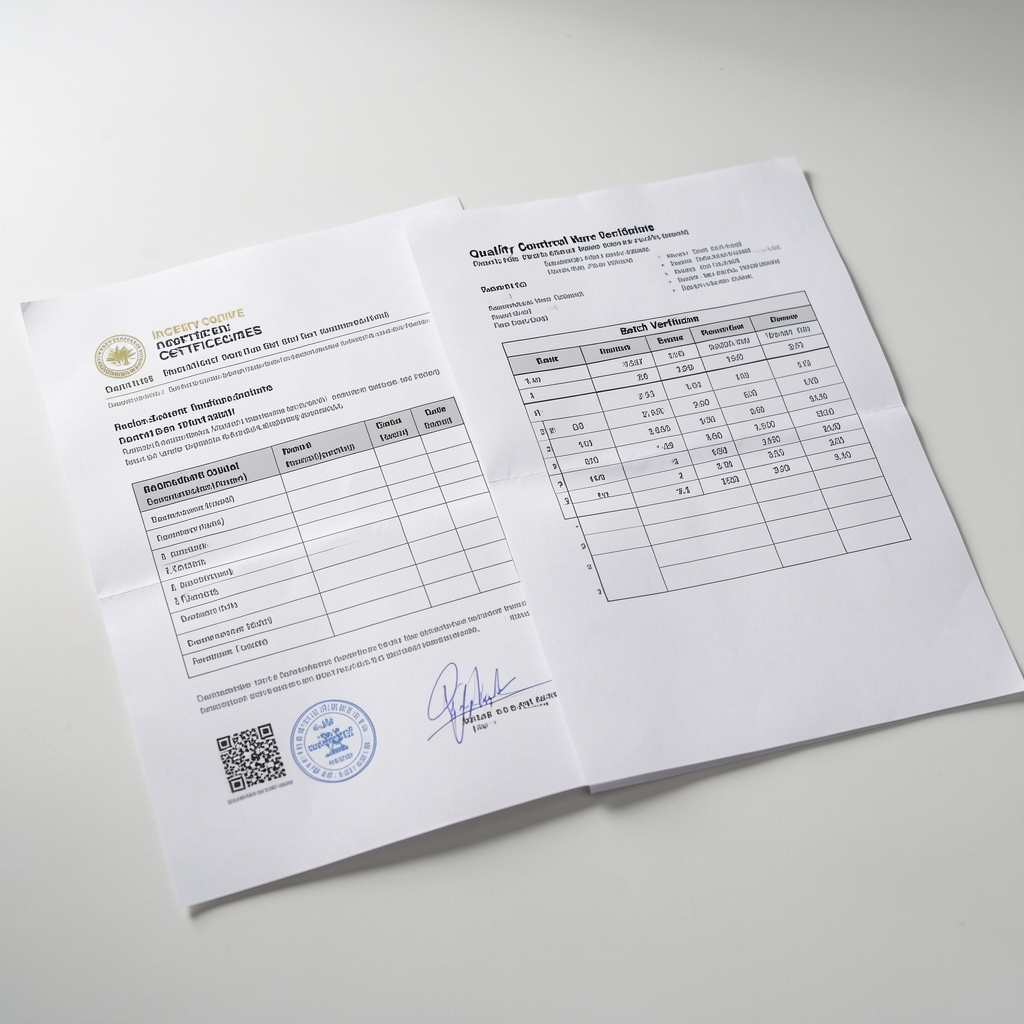
Quality-control documentation laid flat on a clean workspace showing ingredient sourcing certificates and batch verification records under studio lighting
ARCHIVE REF — KLV-0055 // VERIFICATION RECORD
> VERIFICATION_SCOPE

What Independent Batch Verification Covers

Elemental Concentration

Active ingredient quantity verified against label claim within accepted tolerance margins.

Microbial Burden Assessment

Total aerobic count, yeast, mold, and specified pathogen screening per batch.

Heavy Metal Screening

Lead, mercury, arsenic, and cadmium screened against regulatory maximum levels for food supplements.

Dissolution Profile

Rate and completeness of ingredient release assessed under standardised conditions to inform bioavailability estimates.

REGULATORY NOTE

Kalove products are nutritional food-supplements registered with the applicable local regulatory authority under food-supplement classification. Products meet compositional and labelling requirements for nutritional supplement categories.

Ingredient profiles in Kalove supplements are selected based on published nutritional research and undergo independent batch verification for quality and labelling accuracy. We recommend speaking with a qualified wellness or nutrition professional before introducing any supplement to your daily routine, particularly if you have specific dietary requirements.

> METHODOLOGY_FAQ

Methodology Reference Questions

Tier A is assigned when a recommendation is replicated across three or more independent, peer-reviewed studies with adult male populations. Tier B covers findings documented in one to two qualifying studies. Tier C denotes observational data or findings from studies with significant methodological limitations. All published framework pages display the confidence tier alongside each referenced data point.

The standard review cycle is annual — frameworks are assessed each calendar year against newly published literature. Significant publications — particularly meta-analyses or large-scale randomised studies — trigger an out-of-cycle revision. Each revision is logged with a new revision number and archive date, visible in the document record block at the top of every framework page.

Kalove frameworks are documentary resources — they describe what the published nutritional literature observes, not what any individual should do. They are not tailored to individual health status, current dietary intake, or specific body composition goals. Readers with particular dietary requirements are encouraged to engage with a qualified nutrition professional who can apply these frameworks in a personalised context.

Where the published literature contains conflicting findings on a given nutritional topic, both positions are presented within the framework — not resolved to a single recommendation. The relative study quality (sample size, methodology, population specificity) is noted, and the reader is directed to the full source log for further review. The goal is to reflect the actual state of the literature, including its uncertainties.